
TheHeartof Bohol

Bring the island’s story to life.

Explore Now → to plan your Bohol trip
Scenic view of the Chocolate hills

Boholano Spirit

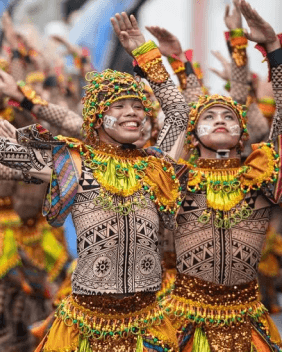
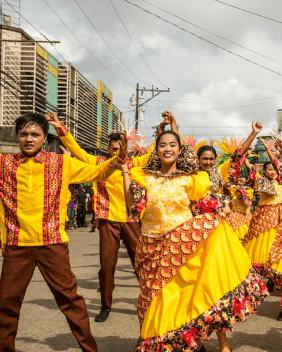
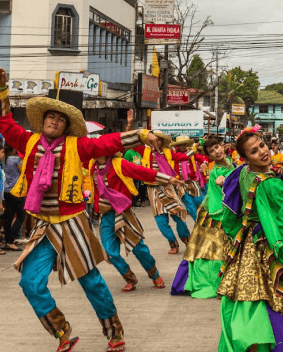
Colourful festivals and local traditions.

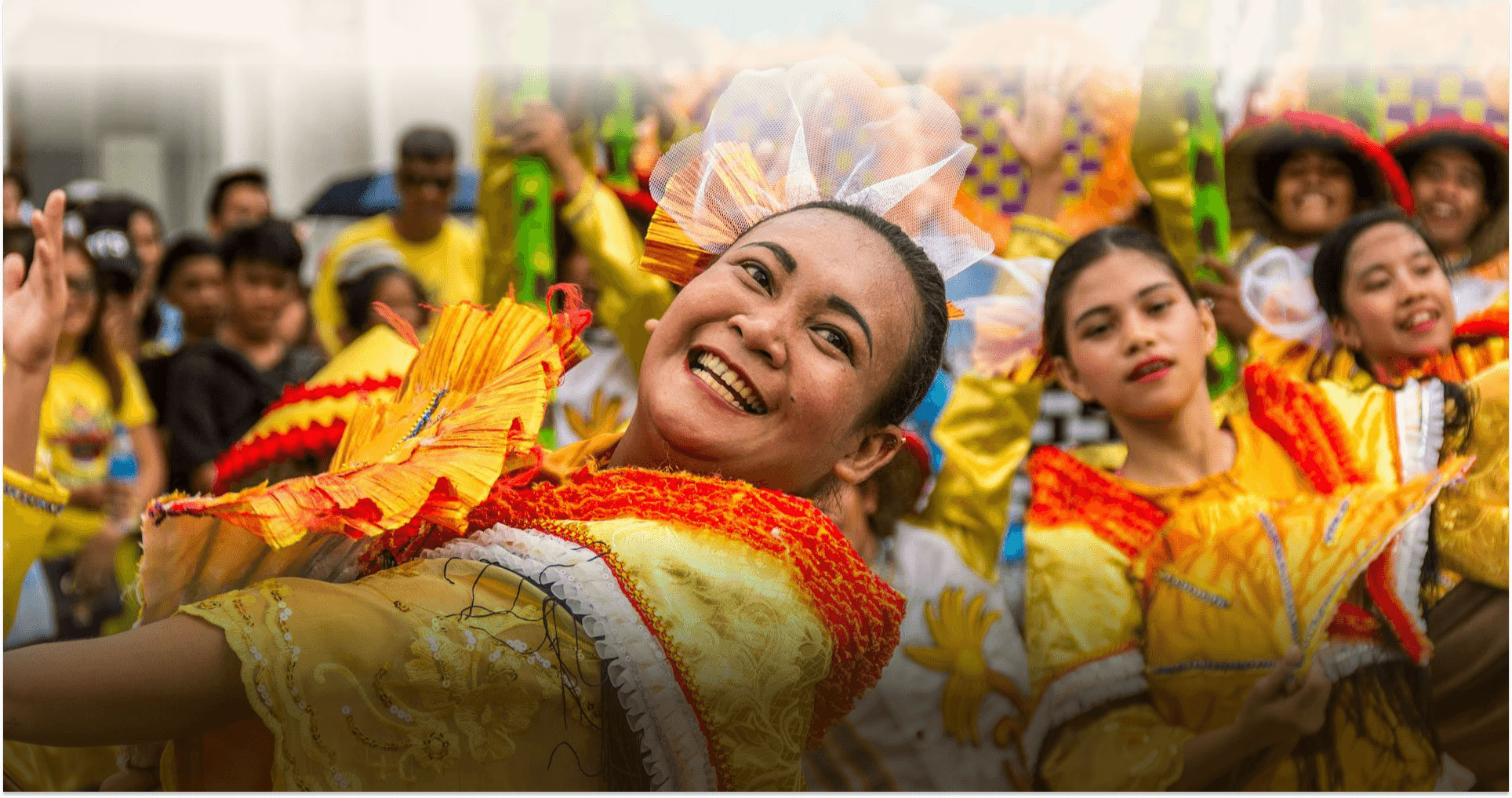
Sandugo Festival 2025

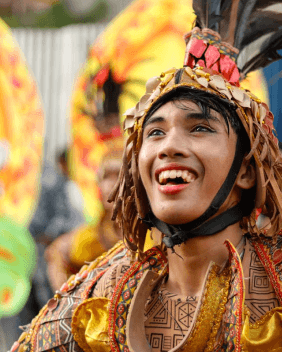
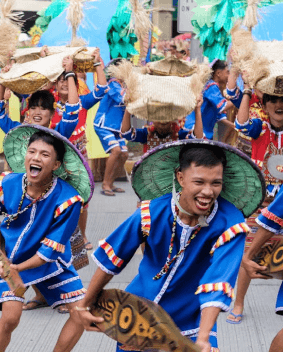
The Sandugo Festival is Bohol’s most celebrated cultural festival, honoring the historic Blood Compact between Datu Sikatuna and Spanish explorer Miguel López de Legazpi in 1565. Held every July in Tagbilaran City, the festival features colorful street dancing, cultural performances, trade fairs, beauty pageants, and reenactments that celebrate friendship, unity, and Boholano heritage. It is considered one of the grandest festivals in the province and attracts visitors from across the Philippines and beyond. Beyond Sandugo, Bohol is home to many vibrant fiestas and religious celebrations that reflect the island’s deep faith and strong community spirit. Festivals such as the Saulog Festival, Bolibongkingking Festival, and Karomata Festival showcase lively parades, traditional music, local delicacies, and cultural traditions passed down through generations. These celebrations offer visitors a meaningful glimpse into the joyful and welcoming spirit of Boholano culture. In recent years, the Sandugo Festival has continued to grow as one of the Philippines’ premier cultural celebrations, drawing thousands of tourists, performers, and local communities together in a vibrant showcase of Boholano pride. The festival’s success has strengthened Bohol’s reputation as a leading cultural and tourism destination, with larger street dance competitions, concerts, tourism expos, and community events highlighting the island’s creativity, resilience, and hospitality. Its continued popularity reflects the enduring importance of heritage and unity in Boholano culture.
History Lives On

Enduring cultural traditions.

Asin Tibuok

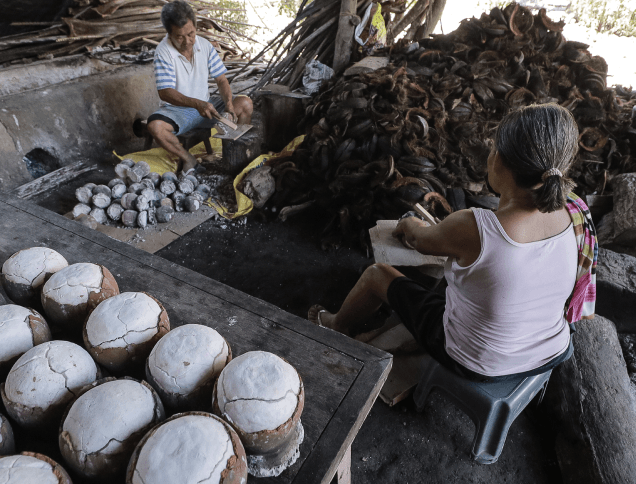
Asin Tibuok is one of Bohol’s most unique cultural treasures and it’s often connected to discussions about heritage preservation and traditional craftsmanship. Known as the “dinosaur egg salt,” Asin Tibuok is a rare artisanal sea salt made using a centuries-old Boholano process. Coconut husks are soaked in seawater, dried, and burned into ash before seawater is filtered through it and slowly boiled in clay pots for hours until the salt hardens into a solid egg-shaped form. The practice dates back hundreds of years and reflects the deep connection between Bohol’s communities, craftsmanship, and coastal traditions. Today, Asin Tibuok is considered an endangered culinary tradition because only a few artisans continue making it in places like Albuquerque, Bohol. It has gained international recognition among chefs, food historians, and cultural advocates for preserving Filipino heritage and traditional food-making practices.

A Photo of a group of Boholanos making the traditional artisinal sea salt
Alburquerque, Bohol, Philippines

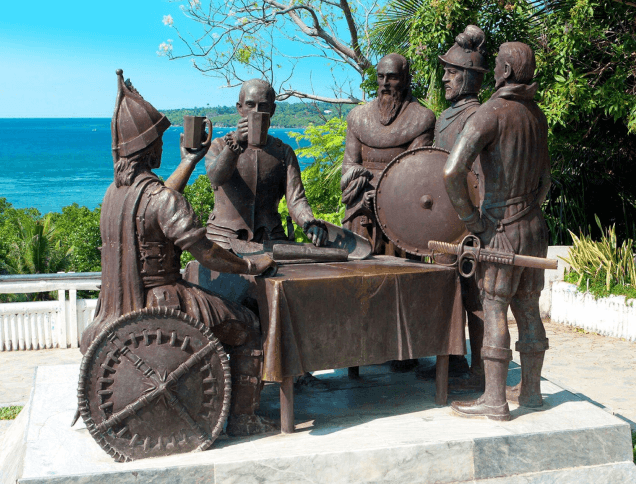
Blood Compact

The Blood Compact, locally known as the Sandugo, is one of the most significant historical events in Bohol and the Philippines. It commemorates the 1565 friendship pact between Spanish explorer Miguel López de Legazpi and Bohol chieftain Datu Sikatuna. The agreement was sealed through a traditional ritual where both leaders mixed drops of their blood into a drink, symbolizing peace, trust, and alliance between two cultures. Today, the Blood Compact Shrine in Tagbilaran City stands as an important cultural and historical landmark that reflects Bohol’s rich heritage and role in Philippine history. The monument remains a popular destination for visitors exploring the island’s traditions, colonial history, and identity.

A photo of the historic Sandugo or Blood Compact Shrine in Bohol
Tagbilaran City, Bohol, Philippines

Sacred Heritage

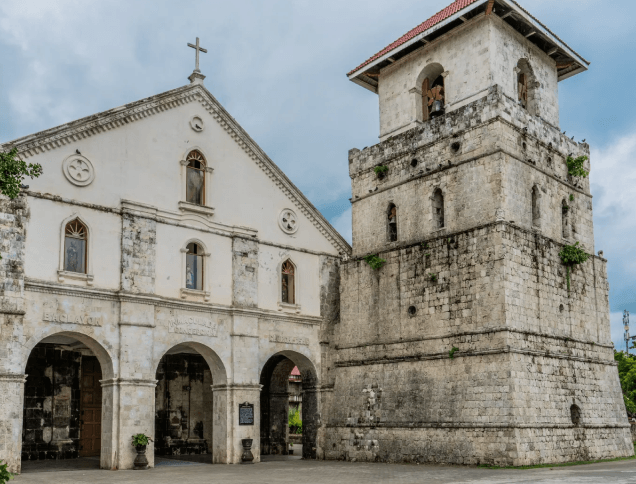
Bohol’s centuries-old churches stand as enduring symbols of faith, history, and Spanish colonial heritage in the Philippines. Churches such as Baclayon Church, Loboc Church, and Dauis Church showcase intricate stone architecture, religious artifacts, and centuries of Boholano devotion. Many of these churches survived wars, earthquakes, and generations of change, making them important cultural and spiritual landmarks on the island. Beyond their historical beauty, these sacred sites continue to serve as places of pilgrimage and reflection for both locals and visitors. Pilgrims travel across Bohol to attend religious festivals, offer prayers, and experience the peaceful atmosphere surrounding these heritage churches. Together, they tell the story of Bohol’s deep-rooted faith, resilience, and cultural identity.

A photo of the facade of the centuries old historic Baclayon Church
Baclayon, Bohol, Philippines